Why Commercial Small Animal Control Requires Professional Expertise
People seeking commercial small animal control often want safe, effective removal solutions, and local service providers have the expertise to handle these specialized jobs properly.
Understanding why commercial small animal control requires professional expertise is essential for property owners facing issues with rodents, raccoons, or other small wildlife. These animals can cause significant damage to structures, electrical wiring, and stored goods, making effective removal and prevention critical for maintaining safety and operational integrity. Property owners in the area often find that handling these challenges on their own can be risky and inefficient, which is why skilled service providers are available to address these concerns with targeted solutions tailored to commercial environments.
Engaging with experienced local contractors ensures that small animal control efforts are thorough and compliant with local regulations. Professionals bring practical knowledge of animal behavior, access to specialized tools, and proven techniques that help prevent future infestations. Whether managing ongoing problems or addressing a sudden intrusion, property owners can benefit from the expertise of service providers who understand the unique needs of commercial properties. Keep reading to learn more about how local pros can support effective and reliable small animal control for businesses and property managers alike.
- Commercial Animal Exclusion - when buildings have gaps or openings that allow small animals to enter, local contractors use specialized techniques to seal entry points effectively.
- Wildlife Removal for Commercial Properties - if animals are already inside, experienced service providers can safely remove them and prevent future infestations with targeted strategies.
- Habitat Modification - to reduce attractants, local pros can modify landscaping or storage practices that draw small animals to commercial sites.
- Inspection and Damage Assessment - when signs of animal activity are present, local contractors perform thorough inspections to identify entry points and property damage requiring professional attention.
- Preventive Small Animal Control - proactive measures taken by service providers help ensure ongoing protection against small animal intrusion in commercial settings.
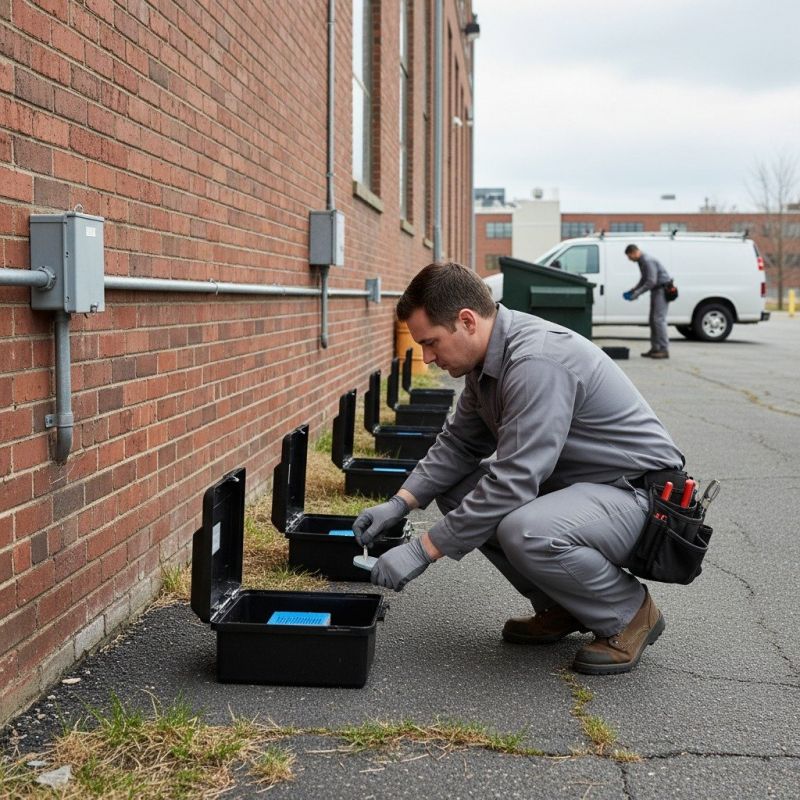
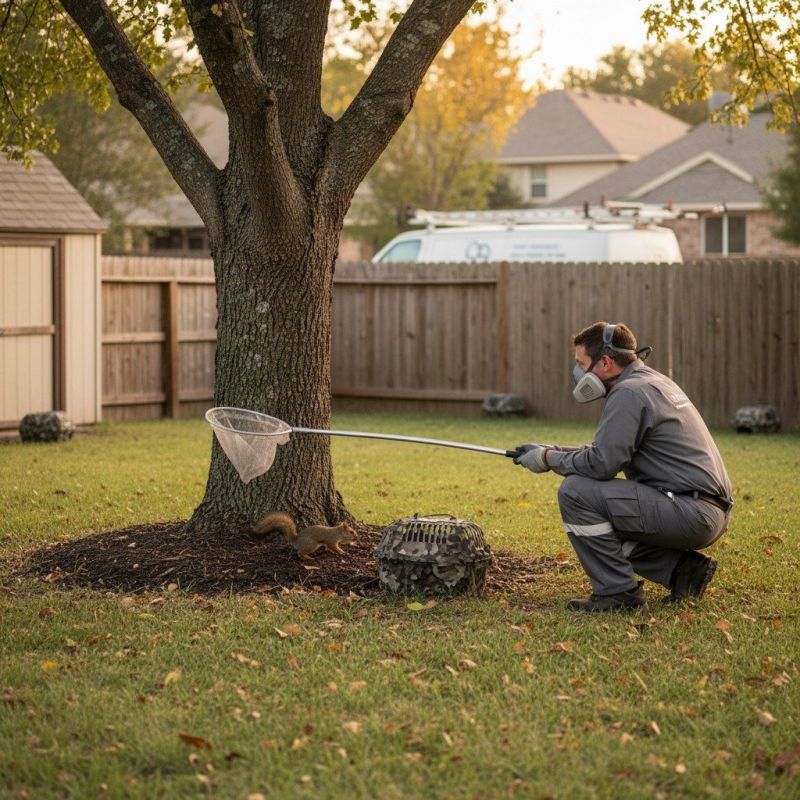
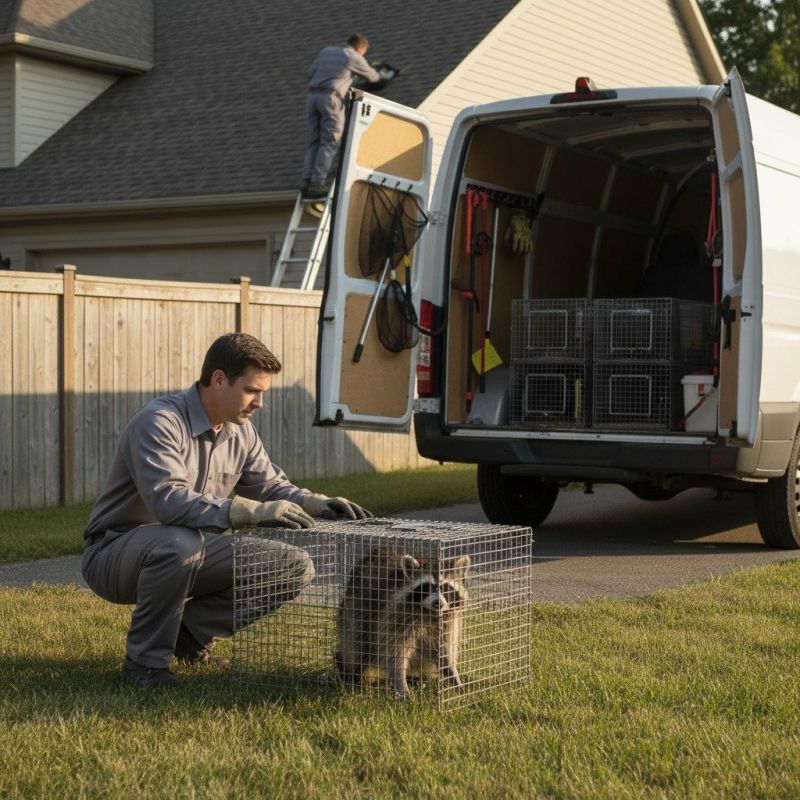
When people search for why commercial small animal control requires professional expertise, they are often trying to understand the risks and complexities involved in managing pests like rodents, raccoons, or other small wildlife on business properties. These searches may stem from concerns about property damage, health hazards, or the need to comply with local regulations. Business owners or property managers want to ensure that any animal control efforts are effective and safe, which leads them to seek out experienced service providers who understand the nuances of handling these pests properly. Recognizing the importance of professional intervention helps prevent problems from escalating and ensures that the property remains secure and compliant with relevant standards.
This topic is closely related to a variety of property-related problems and plans that involve preventing or resolving animal infestations. For example, a commercial building might experience repeated rodent activity, prompting a need for ongoing control measures. Alternatively, a property owner might be planning renovations and wants to ensure the site is free of small animals that could delay work or cause damage. In some cases, the goal is to eliminate an existing infestation while preventing future occurrences through structural repairs or habitat modifications. Local service providers with expertise in commercial small animal control understand how to develop tailored plans that address these issues effectively, helping property owners protect their investments and maintain a safe environment.
The types of properties that typically come up in discussions about commercial small animal control include warehouses, retail centers, office complexes, restaurants, and manufacturing facilities. These properties often have large, open spaces and access points that can attract small animals seeking shelter or food sources. Food storage areas, waste disposal zones, and loading docks are common hotspots for pests like rodents and raccoons. Additionally, properties with extensive landscaping or outdoor storage can provide natural habitats that encourage small animal activity. Local contractors experienced in commercial small animal control are familiar with the unique challenges these properties face and can implement targeted strategies to address the specific needs of each site.
Understanding why commercial small animal control requires professional expertise highlights the importance of working with experienced service providers. Handling small animals on commercial properties involves more than just trapping or removal; it requires knowledge of animal behavior, structural vulnerabilities, and local regulations. Properly addressing these issues often involves identifying entry points, implementing exclusion techniques, and advising on habitat modifications-all tasks best performed by knowledgeable professionals. By engaging with local contractors who specialize in commercial small animal control, property owners can ensure that their efforts are thorough, effective, and aligned with best practices, ultimately safeguarding their property and maintaining a safe environment for employees and visitors alike.
Wildlife exclusion projects - professionals specialize in identifying entry points and installing barriers to prevent small animals from entering commercial properties, similar to the planning needed for effective animal control.
Building inspection services - these projects involve thorough assessments of structures to detect vulnerabilities, a skill that supports effective small animal exclusion and control efforts.
Pest proofing and sealing - contractors focus on sealing gaps and openings, a critical step in preventing small animals from gaining access to commercial spaces.
Habitat modification services - modifying landscaping or surrounding environments to reduce attractants aligns with strategies used in small animal control to discourage pests.
Trap and removal services - handling the safe capture and removal of animals requires expertise similar to that needed in commercial small animal control projects.
Structural repair and restoration - repairing damage caused by animals and restoring property features is a common aspect of professional animal control efforts.
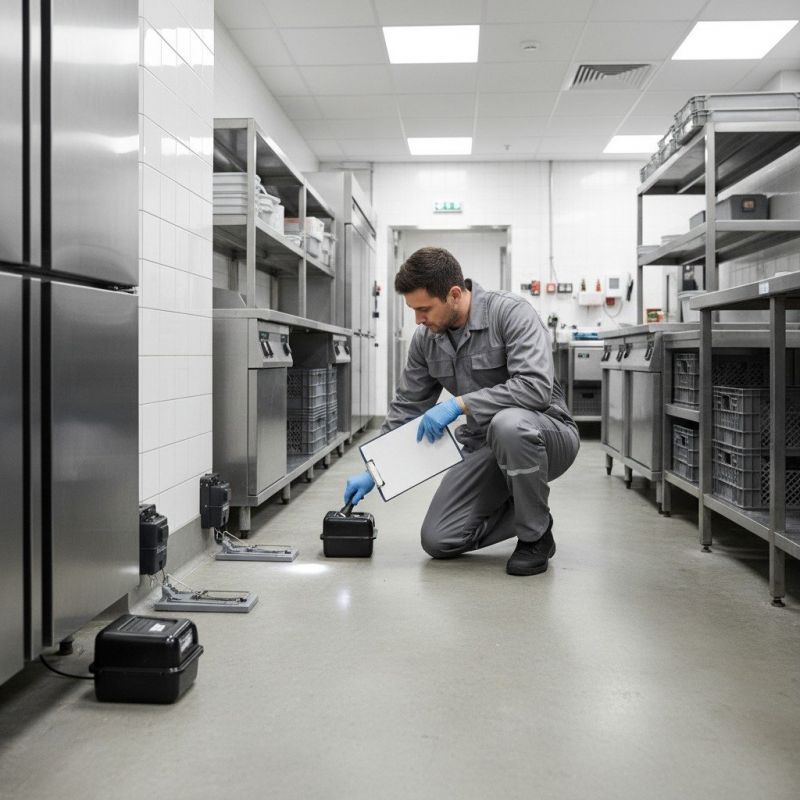
When evaluating service providers for commercial small animal control, it is essential to consider their experience with similar projects. Local contractors who have handled commercial settings or specific types of small animal infestations are more likely to understand the unique challenges involved. An experienced professional will be familiar with effective strategies, common issues, and the best practices to ensure the job is done properly. This background can help prevent recurring problems and reduce the risk of damage or ineffective control methods, making it a crucial factor in choosing the right service provider.
Clear written expectations are also a key consideration when comparing local pros for commercial small animal control. A reputable contractor should be able to provide detailed descriptions of the scope of work, methods used, and any necessary follow-up procedures. Having this information in writing helps ensure both parties understand what is expected, minimizes misunderstandings, and provides a record of the agreed-upon services. This clarity can be especially important in commercial settings where disruptions or incomplete work can have significant implications for operations.
Reputable references and good communication are vital indicators of a dependable service provider. Local contractors with positive references from previous commercial clients demonstrate a track record of successful projects and satisfied customers. Additionally, effective communication throughout the process helps address questions, clarify concerns, and keep the project on track. Choosing a provider who values transparency and responsiveness can lead to a smoother experience and greater confidence that the small animal control issues will be handled professionally and thoroughly.
Property owners often search for why commercial small animal control requires professional expertise when they are planning practical projects around their homes and businesses. Local pros provide Commercial Small Animal Control services for everyday jobs and straightforward project options.
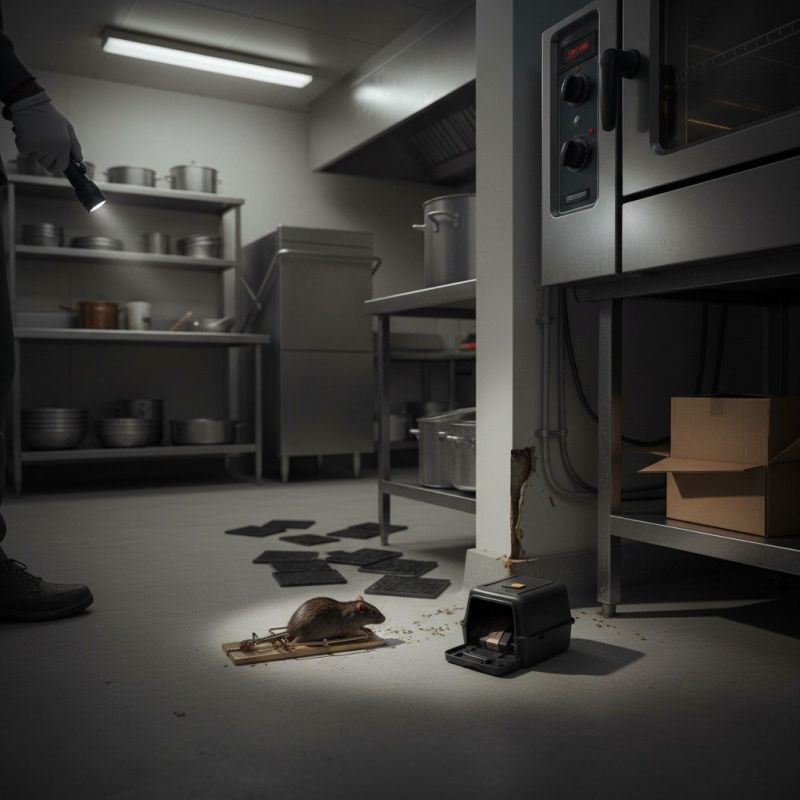
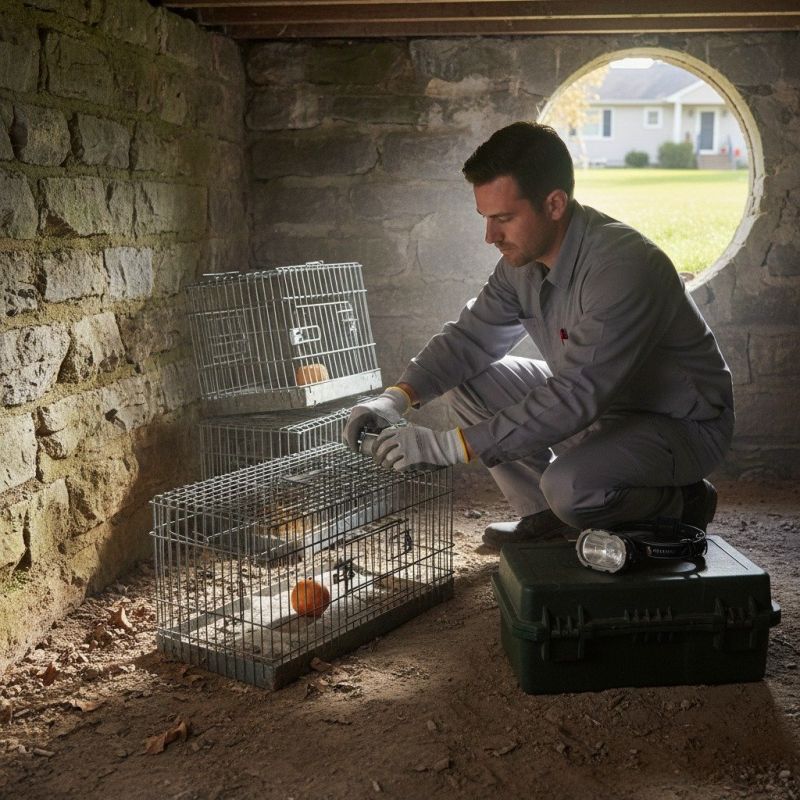
In many commercial properties, encountering small animals such as rodents, raccoons, or squirrels can pose significant challenges. Property owners often find themselves facing situations like discovering signs of animal intrusion, damage to structures, or concerns about contamination. Addressing these issues effectively requires more than basic removal methods; it involves understanding animal behavior, entry points, and appropriate exclusion techniques. Local contractors who specialize in small animal control have the experience to handle these everyday situations safely and efficiently, helping to prevent future problems and protect the property's integrity.
Choosing professional expertise for commercial small animal control is essential because these animals can be persistent and sometimes difficult to manage without proper knowledge. Improper removal or exclusion attempts can lead to recurring issues, damage to property, or even safety hazards. Experienced service providers understand the complexities involved in identifying entry points, implementing humane removal strategies, and sealing off vulnerable areas. Property owners in the area looking to resolve small animal issues can benefit from connecting with local contractors who have the skills to handle these situations with confidence and care.
Why does commercial small animal control require professional expertise? Professionals understand the complexities involved in identifying and safely removing various small animals, ensuring the job is done effectively and without causing harm or damage.
What risks are associated with attempting commercial small animal control without experts? Untrained individuals may inadvertently cause structural damage, fail to fully remove animals, or expose themselves to health hazards, highlighting the importance of experienced service providers.
How do local contractors ensure the effectiveness of commercial small animal control services? They use specialized techniques and equipment tailored to different animal types, which helps guarantee thorough removal and reduces the likelihood of future infestations.
Why is it important to rely on professionals for ongoing commercial small animal control needs? Experienced service providers can develop integrated strategies that address entry points and prevent animals from returning, protecting the property long-term.
What makes professional expertise essential for handling commercial small animal control safely? Skilled contractors are knowledgeable about animal behaviors and safety protocols, ensuring the work is performed in a manner that minimizes risks to people and property.
Understanding species behavior - Local contractors can help property owners identify different small animals and develop targeted control strategies based on their habits.
Proper equipment and methods - Professional service providers have access to specialized tools and techniques that ensure effective removal and exclusion of animals.
Legal and safety considerations - Experts are knowledgeable about regulations and safety protocols, reducing risks during animal control projects.
Long-term prevention solutions - Experienced contractors can design comprehensive plans to prevent future infestations and protect property integrity.
If you are thinking about why commercial small animal control requires professional expertise for a property, this guide is meant to help you understand this topic, the typical project types, and how different options might fit your plans.
When you are ready, you can use the quote form on this page to share a few details about your project. From there, local pros can review the basics and follow up with options that match what you have in mind.