Preventing Future Wildlife Intrusions After Professional Removal
To prevent future wildlife intrusions after professional removal, local contractors can install barriers and repairs that keep animals out permanently.
After a professional wildlife removal, property owners often wonder how to prevent future intrusions and keep their spaces secure. Addressing this concern is essential for maintaining a safe and comfortable environment, especially in areas prone to wildlife activity. By exploring effective prevention strategies, property owners can reduce the likelihood of animals returning, avoiding repeated invasions that can cause damage or health concerns. Local contractors specializing in wildlife intrusion prevention understand the unique challenges faced in the area and can provide tailored solutions to help safeguard properties long-term.
Understanding the importance of post-removal prevention highlights the value of working with experienced service providers who know how to implement lasting barriers and exclusion methods. These professionals can assess vulnerable entry points, recommend practical fixes, and help ensure that wildlife cannot easily re-enter the property. Keep reading to learn more about the steps property owners can take after professional removal to effectively prevent future wildlife intrusions and protect their homes or businesses from unwanted visitors.
- Exclusion Work - homeowners seeking to prevent future wildlife intrusions after professional removal often need exclusion work to seal entry points and block access.
- Structural Repairs - after wildlife removal, local contractors can perform repairs to damaged areas that could allow re-entry, ensuring long-term protection.
- Attic and Roof Sealing - preventing future wildlife intrusions involves sealing gaps in roofs and attics, which local pros approach with tailored solutions.
- Venting and Chimney Caps - installing or upgrading vent covers and chimney caps is a common step to prevent animals from returning after removal.
- Barrier Installation - local service providers can install barriers such as fencing or netting to keep wildlife out of sensitive areas permanently.
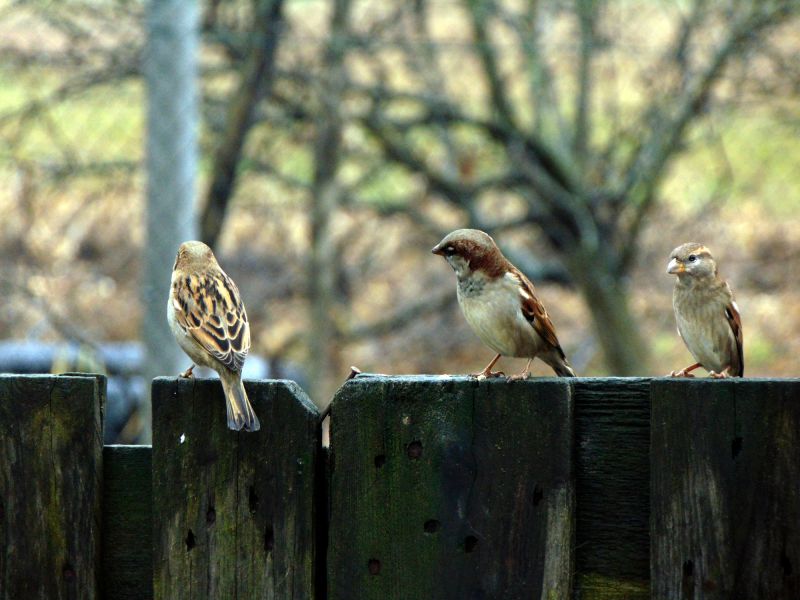
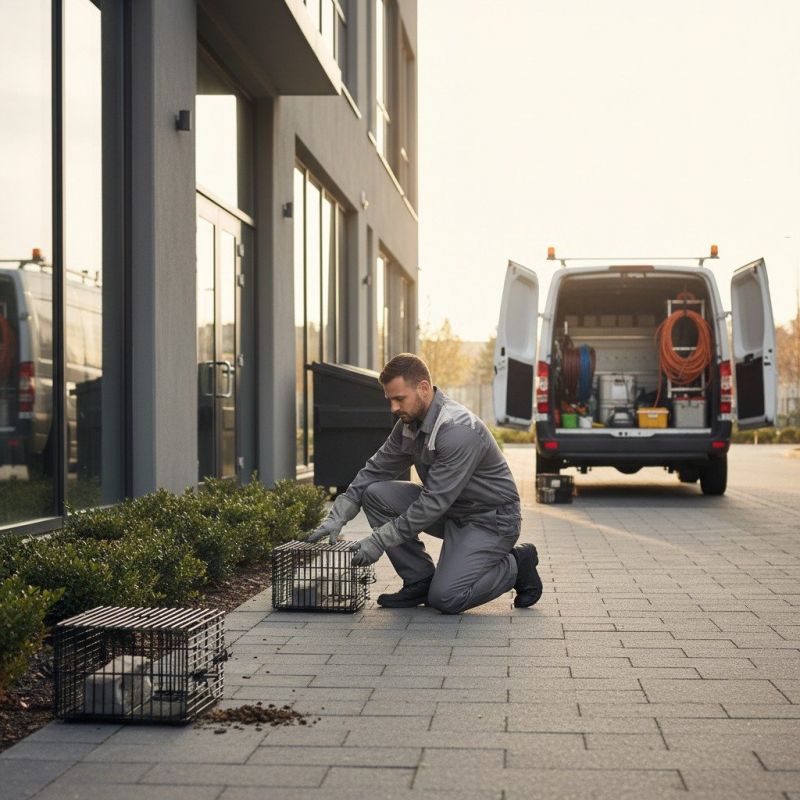
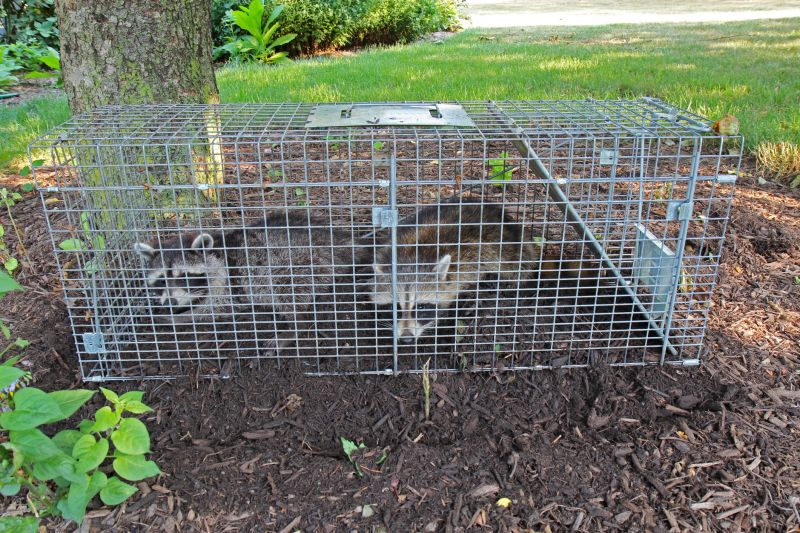
When people search for preventing future wildlife intrusions after professional removal, they are often seeking solutions to ensure that animals do not return to their properties once the initial problem has been addressed. This concern typically arises after animals such as raccoons, squirrels, bats, or birds have been safely removed from a home or building. Homeowners want to avoid recurring issues that can lead to property damage, health concerns, or ongoing disturbances. The focus is on implementing effective measures that seal entry points and create a barrier against future intrusions, providing peace of mind that the property will remain wildlife-free.
This topic is closely related to problems like repeated animal entry, damage caused by wildlife, and the need for a long-term solution rather than temporary fixes. Many property owners plan to restore the integrity of their structures after an animal removal, which involves identifying and sealing off access points that animals used to enter. It also involves understanding animal behavior to prevent them from finding alternative routes back inside. The goal is to develop a comprehensive plan that combines professional removal with strategic prevention measures, ensuring that the property remains protected over time.
Properties that commonly come up in discussions about preventing future wildlife intrusions include residential homes, attics, garages, sheds, and commercial buildings. These structures often have vulnerabilities such as roof vents, chimneys, gaps around windows or doors, and damaged soffits that animals can exploit. In some cases, properties located near wooded areas, water sources, or urban environments with high wildlife populations are more prone to recurring issues. Local service providers experienced in wildlife intrusion prevention can assess these properties, identify weak points, and recommend tailored solutions to keep animals out permanently.
Understanding how local wildlife intrusion prevention contractors fit into the process helps homeowners see the practical steps involved. After a professional removal, these specialists focus on inspecting the property thoroughly to locate entry points and weak spots. They then implement exclusion techniques like installing chimney caps, sealing gaps, and reinforcing vulnerable areas. This combination of removal and prevention creates a more durable barrier against future wildlife problems. Connecting with local contractors ensures that property owners receive expert guidance and customized solutions designed to address the specific needs of their property, reducing the chances of animals returning and causing further issues.
Bird exclusion projects involve installing barriers and netting to prevent birds from re-entering structures, which is essential after wildlife removal to ensure they do not return.
Attic sealing services focus on closing entry points in attics and rooflines, helping to block future wildlife intrusions following professional removal efforts.
Rodent-proofing solutions include sealing gaps and installing barriers to keep rodents from re-entering buildings after wildlife removal has been completed.
Vermin barrier installation involves setting up physical barriers around homes or structures to prevent various pests and wildlife from gaining access again.
Structural repair projects address damages caused by wildlife, such as chewed wiring or compromised siding, and help reinforce areas to prevent future intrusions.
Gutter and vent screening services help secure vents, chimneys, and gutters, reducing potential entry points for wildlife after removal services are performed.
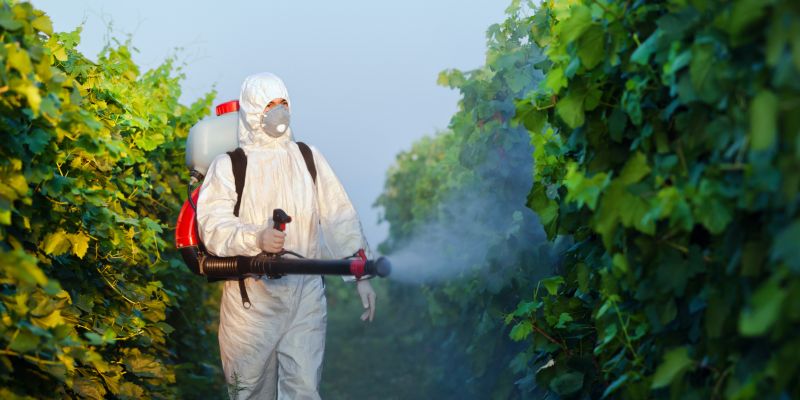
When evaluating service providers for preventing future wildlife intrusions after professional removal, it is important to consider their experience with similar projects. Homeowners should inquire about how long the contractors have been performing wildlife intrusion prevention work and whether they have a track record of successfully handling cases comparable to their own. A contractor’s familiarity with the common entry points and effective exclusion techniques specific to the local area can make a significant difference in ensuring long-term results. Additionally, requesting reputable references or examples of past work can provide insight into the quality and reliability of the services offered.
Clear written expectations are essential when comparing local contractors for wildlife intrusion prevention services. Homeowners should seek detailed descriptions of the scope of work, including the specific exclusion methods and materials that will be used. This helps ensure there is a mutual understanding of what the service will entail and prevents misunderstandings later on. Contractors who provide comprehensive written plans or estimates demonstrate professionalism and transparency, making it easier for homeowners to assess whether the proposed approach aligns with their needs and expectations.
Effective communication is a key factor in selecting a dependable wildlife intrusion prevention service provider. Homeowners should look for contractors who are responsive, willing to answer questions, and able to clearly explain their methods and recommendations. Good communication helps build trust and ensures that homeowners are kept informed throughout the process. By choosing local service providers who demonstrate professionalism, experience, and transparency, homeowners can better ensure that their property is protected against future wildlife intrusions after professional removal.
Property owners often search for preventing future wildlife intrusions after professional removal when they are planning practical projects around their homes and businesses. Local pros provide Wildlife Intrusion Prevention services for everyday jobs and straightforward project options.
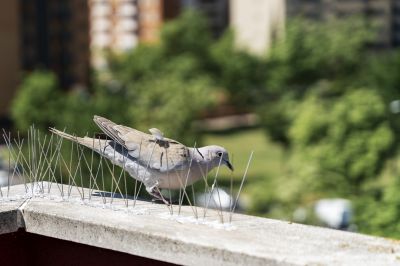
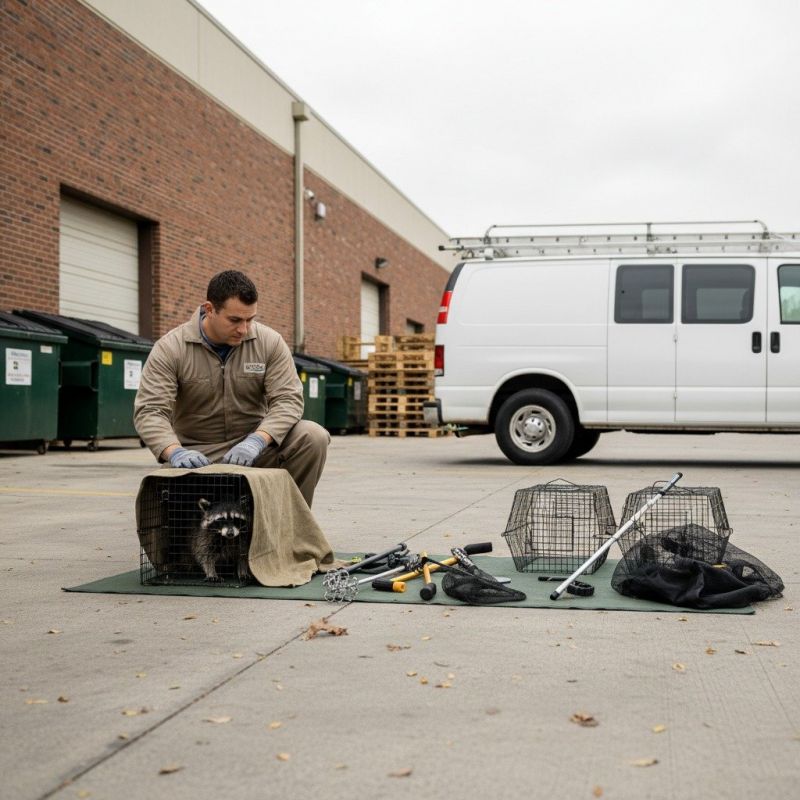
After wildlife removal, property owners often seek advice on preventing future wildlife intrusions to avoid repeated issues. Simple measures such as sealing entry points, installing barriers, and maintaining the integrity of roofs and vents are common steps taken to secure a property. Local contractors experienced in wildlife prevention can assess specific vulnerabilities and recommend tailored solutions that help keep animals out long-term, reducing the chance of future intrusions.
Many property owners in the area look for professional services that focus on wildlife intrusion prevention after an animal has been removed from their property. These experts understand the importance of thorough inspections and effective exclusion techniques, ensuring that gaps or openings are properly sealed and that entry points are permanently blocked. Engaging with local service providers can provide peace of mind that the property is better protected against wildlife re-entry, making ongoing prevention efforts more reliable and efficient.
What are common methods used to prevent future wildlife intrusions after professional removal? Local contractors often recommend sealing entry points, installing exclusion barriers, and using deterrents to prevent wildlife from returning after removal.
How can I identify potential entry points around my property? Wildlife prevention specialists can inspect your property to locate and assess gaps, holes, or weak spots that could serve as access points for animals.
Are there specific materials that effectively block wildlife from re-entering? Yes, durable materials like metal flashing, steel mesh, and weatherproof sealants are commonly used by service providers to block wildlife entry points.
What maintenance is needed to ensure wildlife does not return after initial prevention? Regular inspections and timely repairs of seals and barriers help maintain effective prevention measures over time.
Why is professional installation important for preventing future wildlife intrusions? Professional service providers have the expertise to properly identify vulnerabilities and install effective, long-lasting exclusion solutions.
Sealing Entry Points - Identifying and sealing gaps, vents, and holes helps prevent wildlife from re-entering after removal services are completed. Local contractors can assist with effective sealing techniques tailored to the property's structure.
Installing Deterrents - Using physical barriers or deterrent devices around potential entry areas can discourage wildlife from attempting to return. Service providers can recommend suitable deterrents based on the types of animals involved.
Maintaining Landscaping - Trimming trees, shrubs, and removing debris near the building reduces hiding spots and access points for wildlife. Professionals can advise on landscape adjustments that support wildlife exclusion efforts.
Regular Inspections - Scheduling periodic checks of the property ensures that any new vulnerabilities are addressed promptly. Local service providers can perform inspections to help maintain wildlife-proof conditions over time.
If you are thinking about preventing future wildlife intrusions after professional removal for a property, this guide is meant to help you understand this topic, the typical project types, and how different options might fit your plans.
When you are ready, you can use the quote form on this page to share a few details about your project. From there, local pros can review the basics and follow up with options that match what you have in mind.